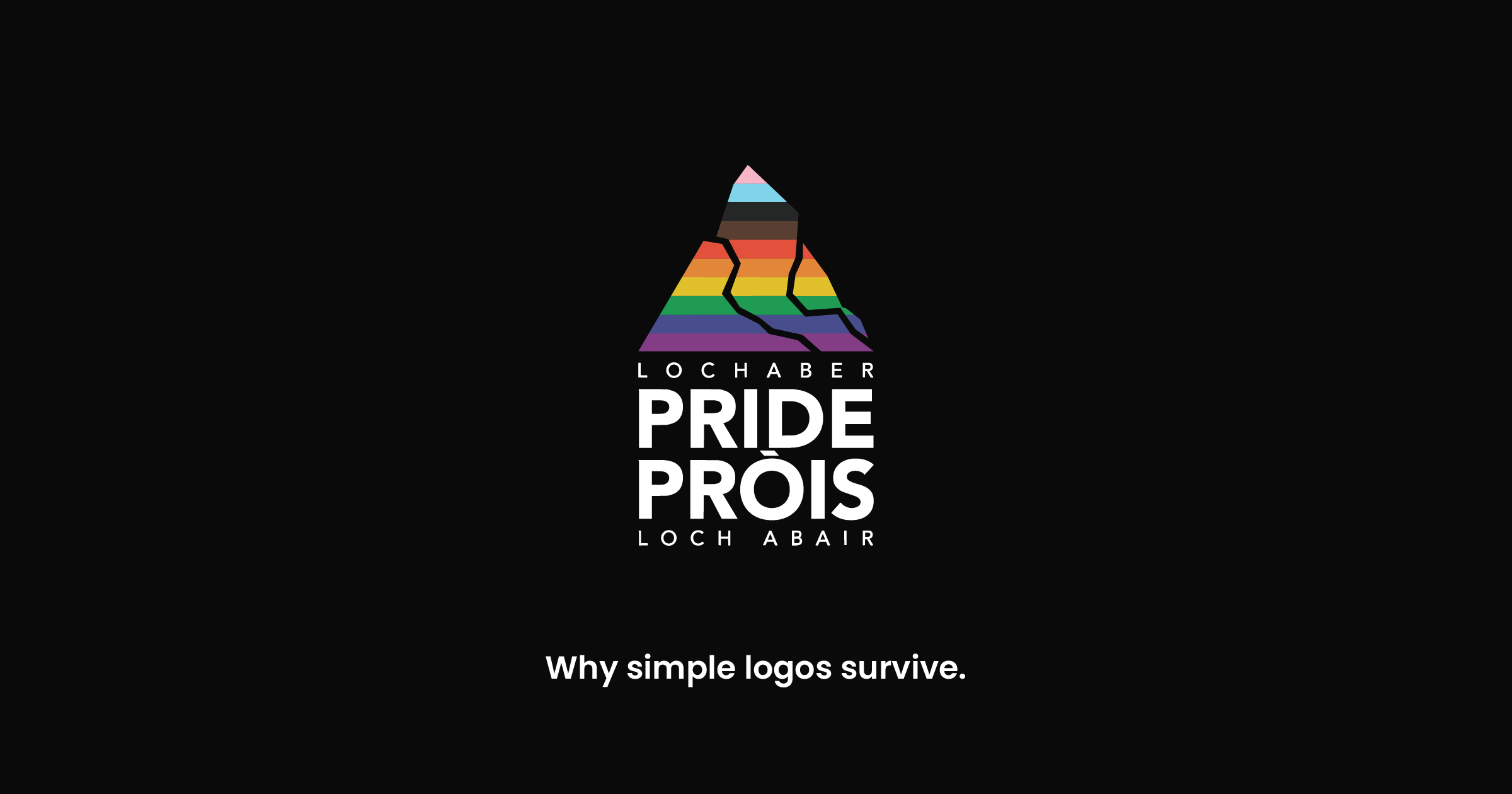
What interests me about bad logo redesigns is not usually the aesthetics.
At small sizes the cracks disappear into noise. The reflections become visual clutter. The gradients muddy reproduction. The circular typography weakens hierarchy. The silhouette becomes inconsistent and overworked. The entire mark loses the instant recognisability the original possessed.
Most importantly, it loses authority.
The original identity had confidence because it trusted the audience to understand simplicity. The redesign does not trust simplicity at all. It feels desperate to communicate meaning through volume. This is one of the biggest failures of modern grassroots branding. That is not elitism. That is simply how identity systems work.
One of the strangest developments in modern visual culture is the growing suspicion toward professional restraint. People increasingly associate simplicity with lack of effort because they have become conditioned by algorithmic visual culture to value stimulation over clarity. They should look certain.
Bad aesthetics are everywhere. What interests me is the psychology behind them. The complete misunderstanding of what a logo is actually supposed to do in the first place.
Recently I came across the redesign of the Lochaber Pride logo, an identity I originally designed several years ago. The redesign itself is not controversial because it is different. Identities evolve. Organisations change. Designers get replaced. That is normal.
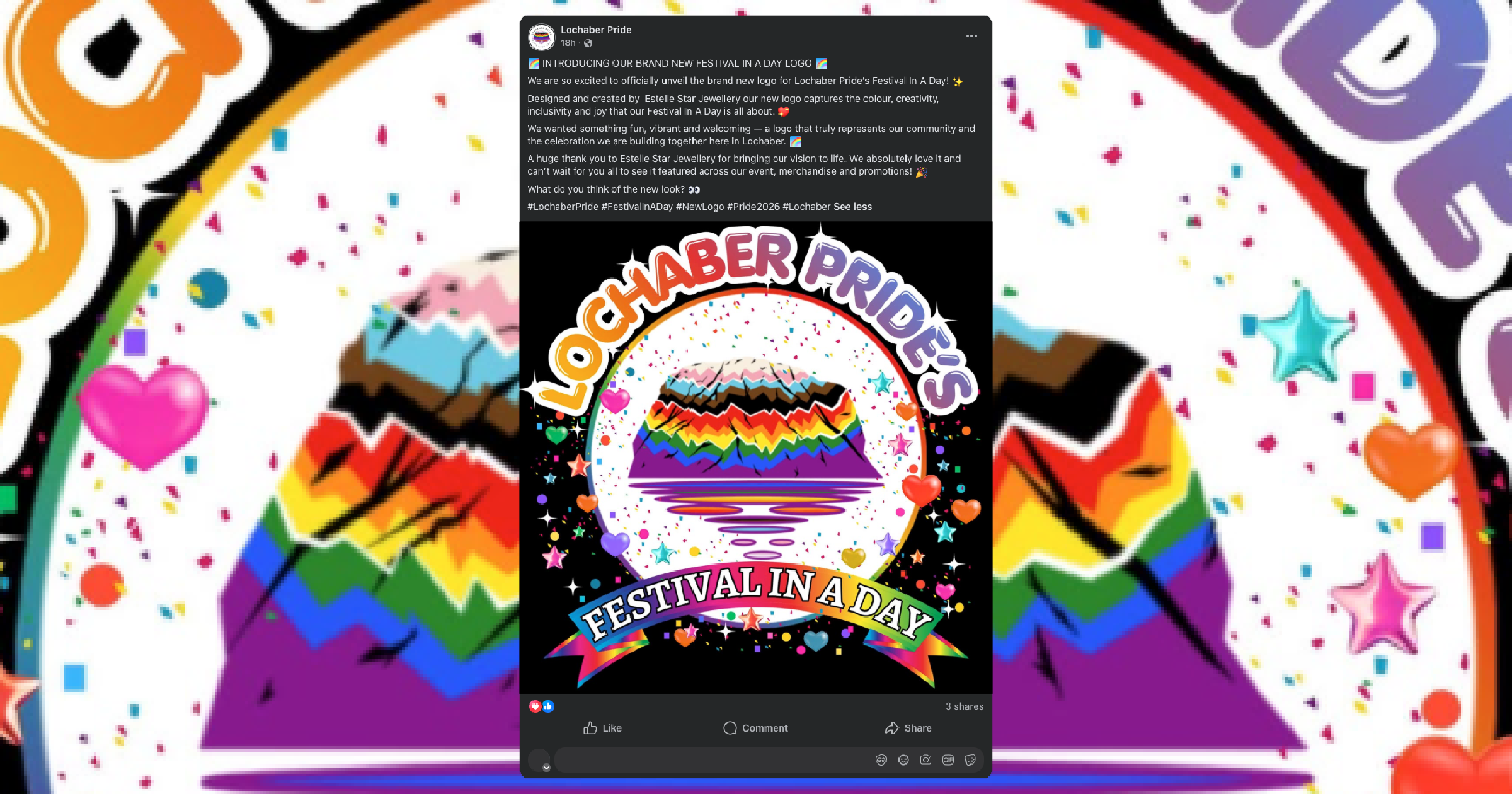
What is interesting is that the redesign demonstrates one of the most common and destructive misconceptions in modern branding: the belief that visual complexity equals meaning. It does not.
The original Lochaber Pride identity was intentionally restrained and more importantly, conceptually disciplined. Every element had a reason to exist. Nothing was decorative for the sake of decoration. The logo was built around reduction, symbolism and structural clarity rather than illustration.
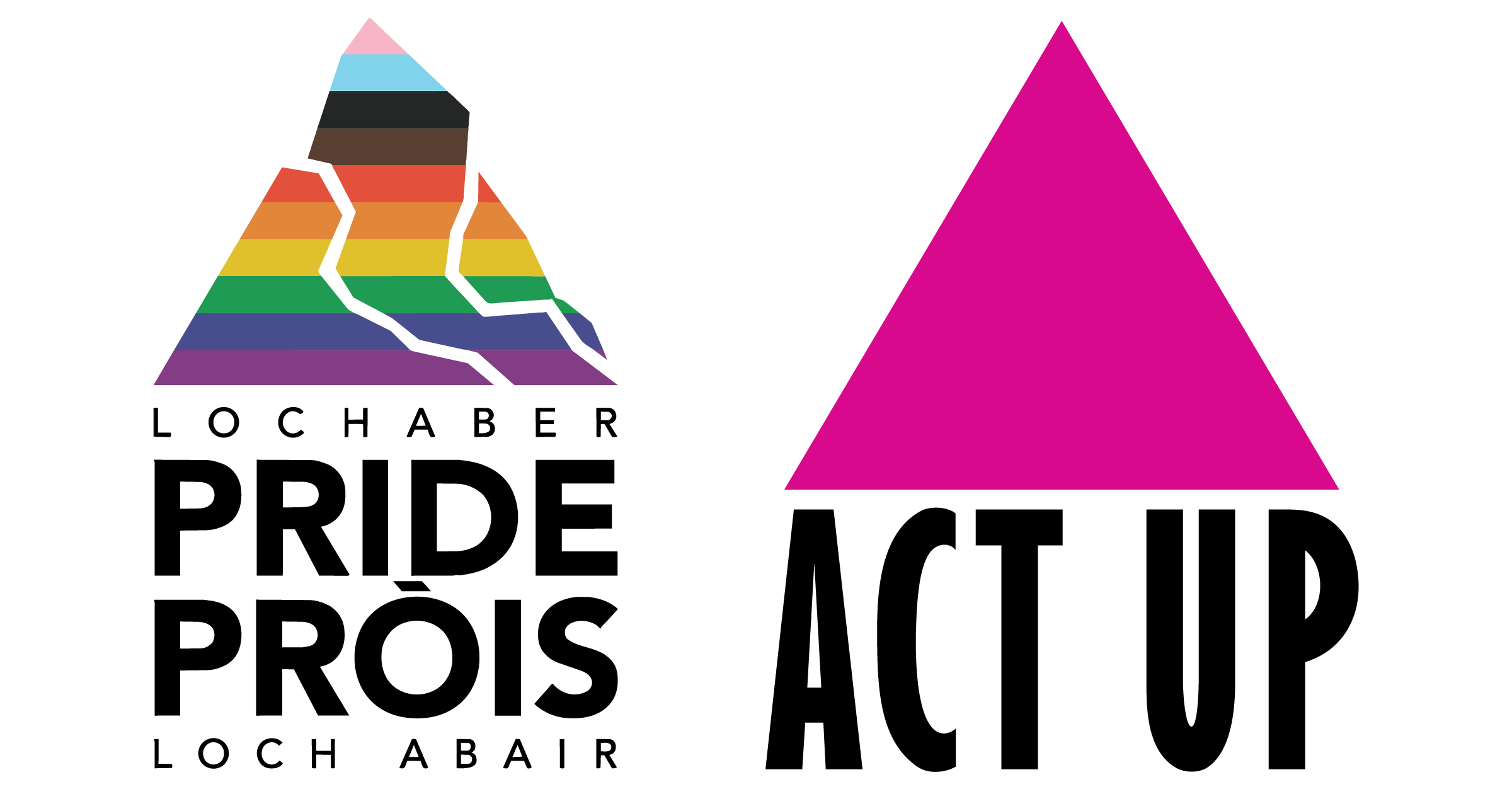
The central mountain form was not simply “a mountain because Scotland”. It was designed as a direct geometric reference to both Lochaber’s landscape and the visual language of queer activism itself. The triangular form intentionally echoed the ACT UP identity and, by extension, the pink triangle reclaimed by LGBTQ+ activists during the AIDS crisis. That reference mattered.
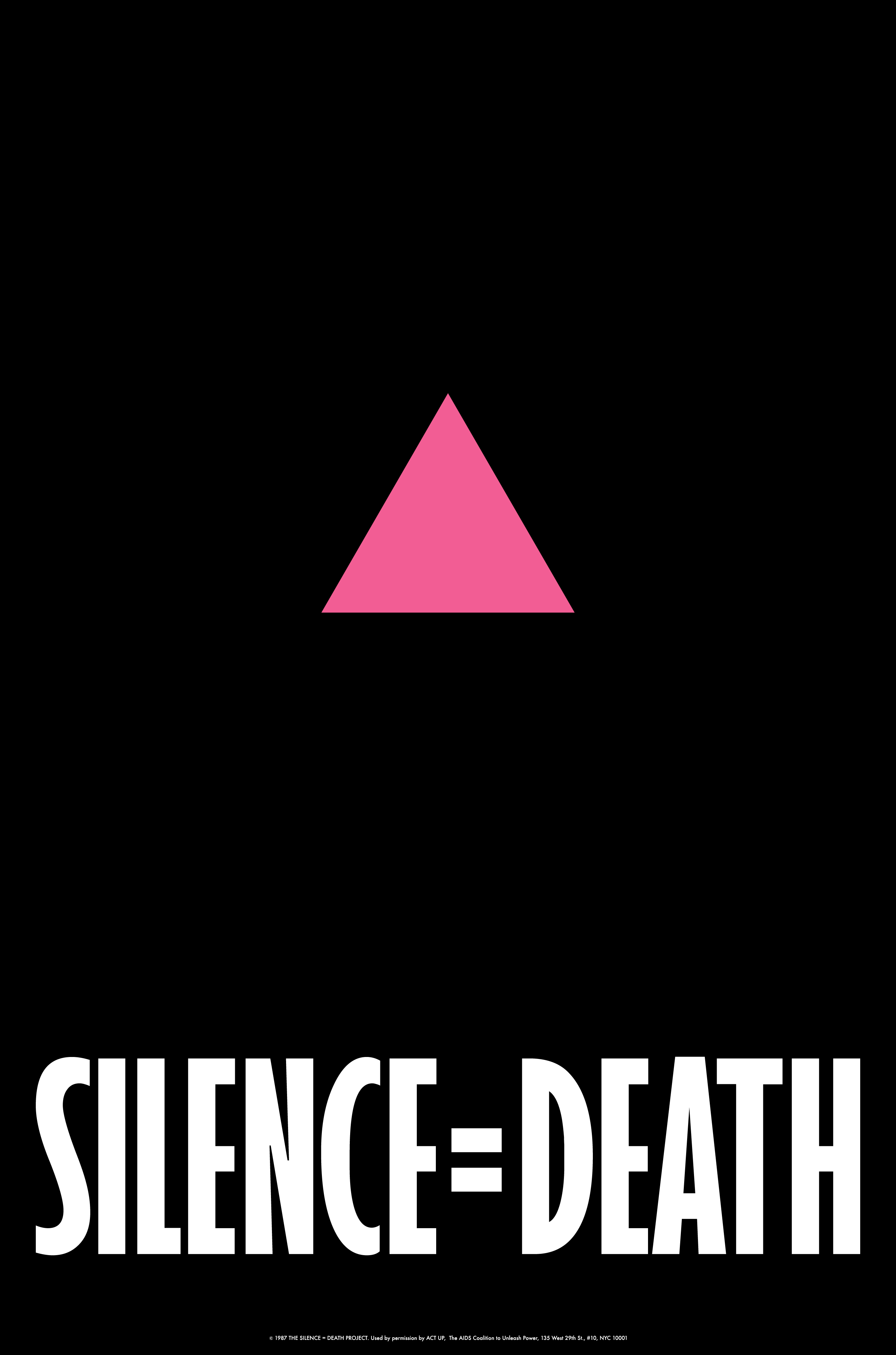
ACT UP did not become iconic because their branding was technically impressive. It became iconic because it was immediate, aggressive, reproducible and impossible to ignore. Their visual identity functioned less like corporate branding and more like a protest symbol. It was built for visibility, repetition and collective ownership.
That same thinking informed the original Lochaber Pride mark. The intention was never to create a scenic illustration of the Highlands. It was to create a symbol. Something bold enough to work on a placard, a sticker, a social avatar, a banner, a badge or a T-shirt without collapsing under its own weight. Something that felt activist rather than decorative.
Even the negative-space pathways through the mountain were deliberate. They introduced movement and geography without resorting to literal illustration. They suggested routes, connection, landscape and progress while preserving the integrity of the overall silhouette.
This is the difference between graphic design and decoration. Professional identity design is not about adding visual information. It is about deciding what can be removed while preserving meaning. That discipline is precisely what the redesign abandons.
The new logo is a perfect example of what happens when symbolism becomes unmanaged. Instead of a coherent identity system, the redesign behaves like a pile-up of ideas competing for attention simultaneously. There are mountains. Cracks. Reflections. Ripples. Outlines. Jagged vectors. Circular typography. Gradients. Illustrative rendering. Multiple conflicting line styles. Multiple symbolic systems layered on top of each other.
Does any of this actually improve the logo? Can it survive reduction? Can it work in one colour? Can it be reproduced cheaply? Can it scale? Can it work embroidered? Can it work on signage? Can it work on social media? Can somebody draw it from memory?
The logo no longer behaves like a logo. It behaves like a collage and this is where the difference between professional design and amateur design becomes painfully obvious. Professional designers understand restraint. Amateur designers often believe their job is to visibly demonstrate effort. They mistake complexity for sophistication because they do not understand that the hardest thing in branding is usually knowing what not to include.
The redesigned Lochaber Pride logo looks exactly like what happens when design decisions are made emotionally rather than strategically. Every possible idea appears to have been included because nobody involved had the confidence or experience to remove anything. The irony is that this actually weakens the meaning rather than strengthening it.
A strong logo creates memorability through singularity. One shape. One idea. One recognisable structure. The redesign has no singular idea.
Community organisations frequently redesign identities through committee logic rather than design logic. Someone wants more rainbow colours. Someone else wants the loch represented. Someone wants the mountain more realistic. Someone wants it “friendlier”. Someone wants it more “inclusive”. Someone wants more symbolism. Somebody else thinks simplicity looks “unfinished” and eventually the identity collapses under the weight of endless stakeholder sentimentality.
Nobody asks the more important question: can it be recognised instantly?
The original logo could.
The redesign cannot.
So when a professional designer creates something disciplined and minimal, non-designers often feel an urge to “improve” it by adding detail. This almost always makes the work worse. Not because detail is inherently bad but because identity design is governed by systems thinking, not emotional accumulation.
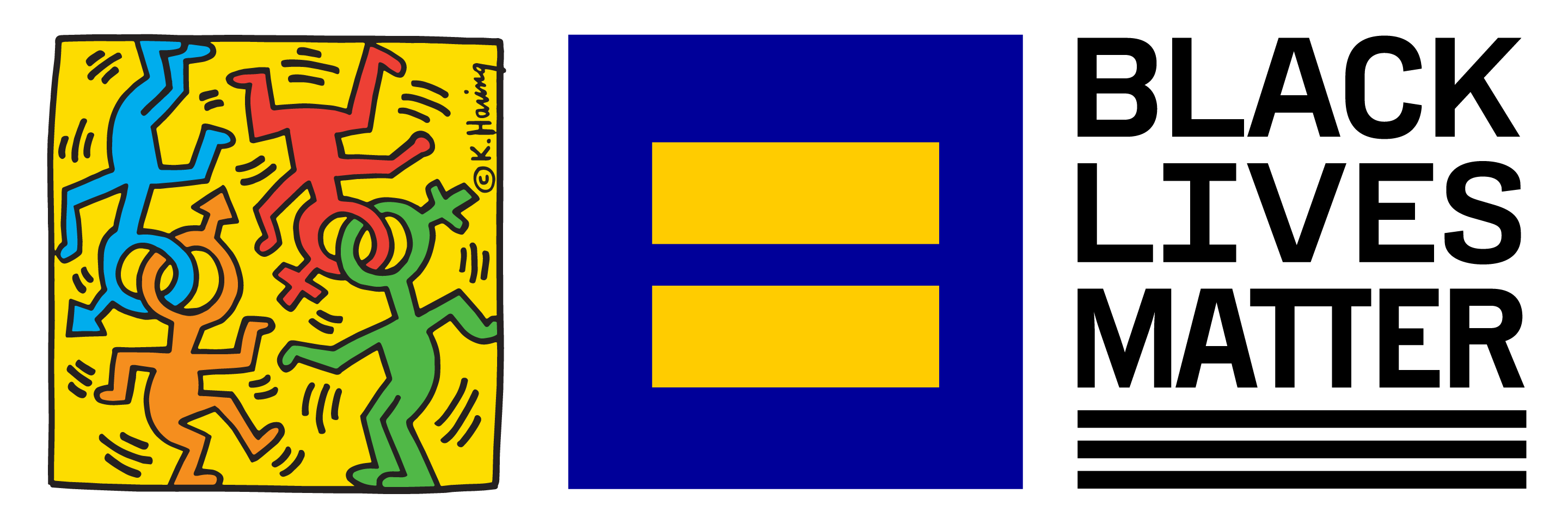
The ACT UP logo remains powerful decades later because it understood this. The original Pride flag understood this, as did Keith Haring's Heritage of Pride logo, the iconic block logo of the Human Rights Campaign, and of course the distinctive Black Lives Matter word mark. The best protest graphics in history understood this. They prioritised immediacy over decoration.
The redesigned Lochaber Pride logo feels less like activist branding and more like tourism branding. It resembles the kind of vector illustration you would expect on a souvenir mug or a Highland visitor centre leaflet. And that shift matters. Because activist identities should not look passive.
The original logo understood exactly what it was trying to be. It referenced queer activist history through form rather than through exposition. It embedded symbolism structurally instead of illustrating it literally. It trusted geometry, silhouette and reduction to carry meaning.
That is intelligent branding. The redesign replaces intelligence with surface-level symbolism and unfortunately that is what happens when organisations stop valuing design as a professional discipline and start treating it as communal arts-and-crafts participation.
Everybody is entitled to an opinion about design.
Not everybody understands branding.